How I am becoming Antifragile
How Nassim Taleb's Antifragile changed the way I think about money and risk, and the barbell strategy I'm now applying to everything from the car I bought to the way I invest.
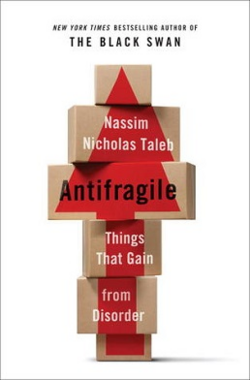
I read the book Antifragile by Nassim Taleb last year and I’ve realised how much it’s changed my life. It’s why I bought my new car the way I did, and why I pulled all my money out of ETFs.
Antifragility
In the book, he introduces the concept of “antifragility”. It’s something he describes as the opposite of fragile. They’re things that get better when you introduce breakages. They gain improvements from volatility. He applies it to so many things across our society, from fitness and biology, to the economy, to ideas and concepts, and everything else.
He says that the main way to gain from volatility is to focus heavily on protecting your downsides and then being open to insane upsides. The worst is actually staying right in the middle of the road. If you do that, you are open to the potential losses without being exposed to upsides. He calls this the barbell strategy. 80% of things should be making sure you are really safe from everything, including Black Swan events (events that are so unlikely that you don’t think about them) and then the last 20% should be about being open to massive upsides. The types of upsides he’s talking about aren’t linear (like stocks), but convex (you risk a little to make a lot). I’m talking 10-100x what you put in.
He points to the options market as a way to gain from the 20% potential, but he also says so many people have “free options” which is the ability to choose something else. Keeping those open allows you to be flexible, which inherently means you gain from volatility when things change.
He gives an example of two people who have the exact same income and have been doing it for 15 years. The first is a person who is a specialist advisor at a bank and hasn’t moved to a new company the entire time. The second is someone who is a taxi driver and has to find the next potential customer all the time. If both people lose their jobs, who is better off? The taxi driver. This is because they have the skills to change their role and find new ways to make income, whereas the person who hasn’t changed roles for 15 years from the bank doesn’t have the capacity to find a new role and hasn’t done it before. The taxi driver is more antifragile.
I’ve taken some of this to heart and I truly believe it’s started to change how I think about everything in my world.
The car
I bought a new car over the weekend. I approached it from a barbell strategy: “how can I protect myself from all of the potential downsides?”
The potential downsides of owning a car are usually:
- an unexpected costly repair or write off of the car
- not being able to afford the payments on the car in the future
- a change in lifestyle that means I have to sell the car on the used market
- the car being stolen
- a car crash
- fuel prices skyrocket
- the car becomes expensive to run
Whereas the upsides of using a car are really only:
- the car being worth more in the future
- being able to get places on time, quickly, and flexibly with multiple people in the car
Considering this, purchasing a car is really about protecting the downsides. I don’t think buying a sports car protects the downside, and there isn’t unbounded upside either.
For me, I went with purchasing a Tiggo 7 Super Hybrid because: It has a 7-year warranty which protects me from a costly repair, and it has fixed-price servicing which protects me from the car being expensive to run in the future.
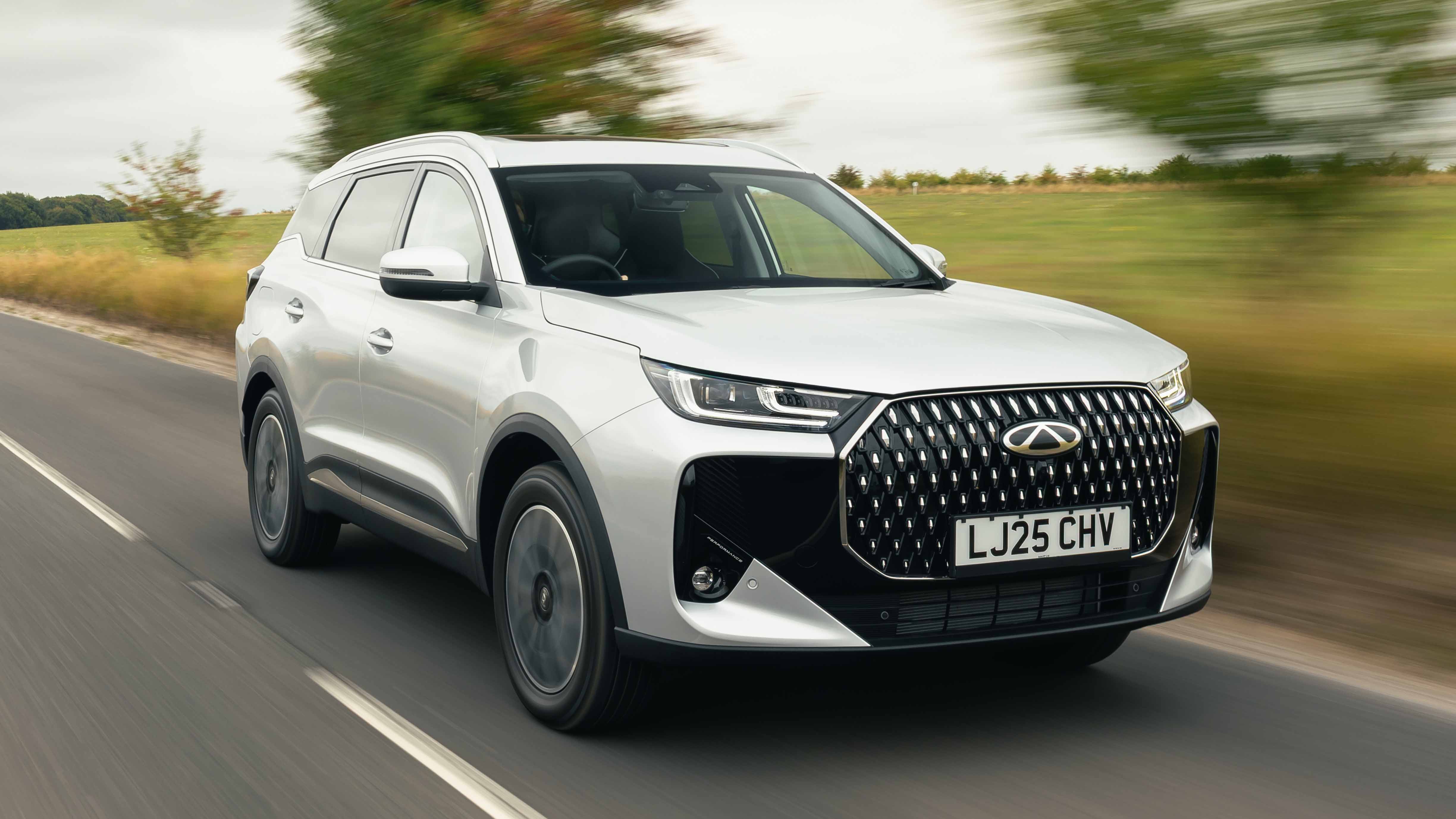
It’s a Plug-in Hybrid with 90km on the battery which allows me protection against fuel prices skyrocketing, but also protects me from the potential downsides of EVs. These include not being able to charge it each night, not having enough chargers, not having fast chargers, not being able to get a long range. All of these I have protected myself against, while still having the upside of getting great fuel economy.
I also bought the car outright which protects me from not being able to afford the payments in the future if I lose my job or income. I had initially picked a Tiggo 4 because of the steep discounts at the moment, but I moved up to the Tiggo 7 Super Hybrid because it matches my current lifestyle and the potential lifestyles I may have in the future. This means I won’t have to sell the car if my lifestyle changes so I’m protected against selling the car when it’s poor value in the used market.
These are ways I protected myself from the downside while allowing optional upsides.
ETFs
Money was the next thing it changed. I pulled my money out of ETFs (exchange-traded funds, baskets of shares you buy in one go). I’ve been watching the problems with the Nasdaq index funds and the SpaceX IPO. I’ve realised Nassim is right. ETFs aren’t actually “safe”. In June, Nasdaq changed the rules for what gets into the Nasdaq-100. They made it so a giant new IPO like SpaceX can enter the index in as little as 15 trading days, even with very few of its shares actually trading. Every fund that tracks the index then has to buy it, no matter the price. That isn’t passive and it isn’t safe. It’s a set of rules someone else can rewrite, and your money just follows along. If it can happen to the Nasdaq, it can happen in any market. I’ve decided to put my money into a savings account to match inflation as I think it’s what Nassim is talking about when he says that putting things in the “safe middle” isn’t actually safe.
Renting, not buying
It also helped me come to terms with the property market in Australia, and me feeling like I’m going against the grain by not buying in. I’m protecting my downside if the market crashes. I’m still renting because it gives me optionality to move somewhere else without being locked in. My landlord has been very good and doesn’t increase the rent much, so I’m protecting the downside of insane rentals. I’m also able to work remotely (which allows me to move to different places) if necessary.
Consulting
The barbell isn’t just about money. I’ve started my own consulting business. I realised that being in the market and learning what people are willing to pay for is a fitness test. Trying my hand at a business has the missed opportunity cost of not having a steady job, but it’s allowed me more optionality (the freedom to change course later) than previously. I have more control over my time and decisions which allows me to see potential convex structures and invest in them (either with time or money).
Writing
As you know, I’ve started writing quite a bit. I did this because I wanted to start “Showing my Work”, but also there is a massive potential upside. It allows me to build credibility in different spaces that I enjoy. That credibility could open doors I didn’t previously have. It’s also giving me a place to start figuring out what is worth writing about. The only downside is a bit of wasted time, which is actually improving through the use of AI (I’ll write a blog post soon about how I write with AI).
The gym
It even changed how I train. I’ve started lifting very heavy things infrequently at the gym. Nassim talks about this a bit and his protocol from Art De Vany. I cut back a bit, but surprisingly just lifting 1 Rep Max (the heaviest weight I can lift once, warming up obviously) actually is making me stronger. I do it once or twice a week when I feel like it. I also do a large amount of my exercise as lightweight cardio (stairs, walking, bicycling). This has meant I get real fitness gains, without much time in the gym at all.
I’m still figuring this out
It’s crazy how much this book has changed the way I think about things. Just the barbell strategy alone is amazing when you think about it.
I really want to go through the book properly like I did in my previous article How I approached Showing Your Work but I don’t know how to open my options to potential investments other than through the skills I currently have: building tech products, networking, writing, learning about and applying AI, being a tech leader. I don’t know if I want to learn how to operate in the options market but I’ve also been toying with the idea of small amounts in angel syndicates. I’ve also just been growing my network by giving my time to people (with the potential for new ideas/businesses) that might one day require my skills.
I still need to learn about how to spot convex shapes and how to bet on them, but overall I really think the book has had a huge impact on my life and I think it’s well worth the read. I’ve got the downside-protection half sorted, and now I just need to figure out the convex-upside half and I’ll bring you along while I work it out.